
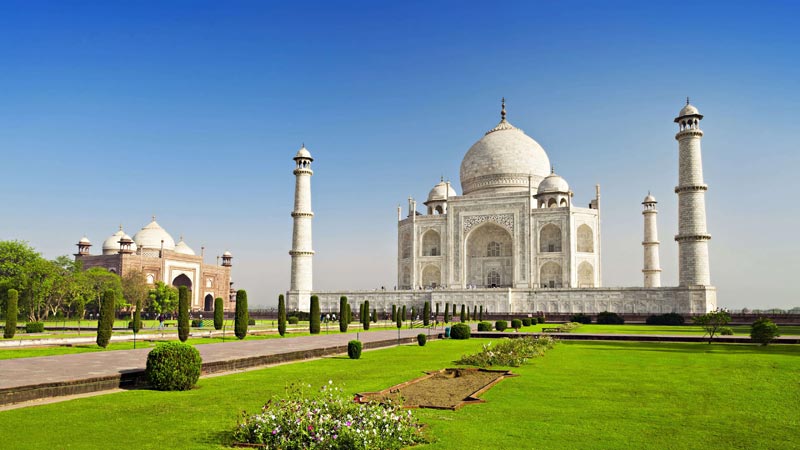
Traveling to India isn’t just a trip—it’s an experience layered with color, contrast, chaos, calm, and everything in between. Whether you’re exploring the palaces of Rajasthan, cruising the backwaters of Kerala, meditating in Rishikesh, or tasting street food in Delhi, preparation can make all the difference.
If you’re looking for practical, experience-backed India travel tips, this guide will help you navigate culture, transport, food, safety, and budgeting—without overwhelming you.
1. Understand the Diversity Before You Land
India is not one uniform destination. It’s a subcontinent in spirit. The traditions in Varanasi feel worlds apart from beach life in Goa. Languages, food, dress, and even social norms change every few hundred kilometers.
Tip: Research your specific region rather than relying on generic country-wide advice.
For example:
-
North India → Historic forts, Himalayan landscapes, Mughal architecture
-
South India → Temples, coastal cuisine, tropical climate
-
West India → Desert culture, business hubs, vibrant festivals
-
East India → Tea gardens, tribal heritage, artistic traditions
A little regional awareness prevents culture shock and enhances appreciation.
2. Visa and Entry Planning
Most travelers apply for an e-Visa online before arrival. Apply early and double-check your passport validity (minimum six months recommended).
Keep digital and printed copies of:
-
Passport
-
Visa approval
-
Hotel bookings
-
Return ticket
Entry procedures are generally smooth, but having paperwork accessible saves time and stress.
3. Choose the Right Time to Visit
Timing matters. India’s climate varies dramatically.
| Season | Months | Best For | Considerations |
|---|---|---|---|
| Winter | Oct–March | Sightseeing, festivals, wildlife | Peak tourist prices |
| Summer | April–June | Himalayan regions | Extremely hot in plains |
| Monsoon | July–Sept | Lush landscapes, fewer crowds | Heavy rain in some areas |
If you want comfortable temperatures and cultural events, winter is usually ideal. But for budget travelers, shoulder season offers better deals.
4. Transportation: Plan Smart, Travel Smooth
India’s transport network is extensive—and sometimes overwhelming.
Trains
Indian Railways connects almost every major city. Booking in advance is essential, especially for popular routes like Mumbai to Delhi.
Domestic Flights
Affordable and time-saving for long distances. Ideal when traveling from North to South.
Ride Apps
Apps like Uber and Ola are common in metropolitan cities and provide transparent pricing.
Auto-Rickshaws & Taxis
Always agree on fare beforehand or insist on using the meter.
A real-world scenario: Imagine landing in Delhi at midnight. Pre-booking airport transfer or using an app-based taxi avoids negotiation stress after a long flight.
5. Accommodation Strategy
India offers everything from luxury heritage hotels to budget hostels.
-
Backpackers → Hostels and guesthouses
-
Mid-range travelers → Boutique hotels
-
Luxury seekers → Palace hotels in Rajasthan
Booking platforms make comparison easy, but always read recent reviews. Location matters more than luxury—being near transport hubs saves hours daily.
6. Food Safety and Culinary Adventures
Indian cuisine is legendary—but your stomach may need time to adjust.
Smart eating habits:
-
Choose busy restaurants (high turnover = fresher food)
-
Drink bottled or filtered water
-
Avoid ice in smaller towns
-
Peel fruits yourself
Street food can be incredible. I still remember the first time I tried fresh masala dosa in Bangalore—the flavors were bold, spicy, and completely unforgettable.
Vegetarian options are widely available, and dietary restrictions are usually respected if communicated clearly.
7. Cultural Sensitivity Matters
India is deeply traditional in many regions.
Dress modestly in temples and rural areas.
Remove shoes before entering religious spaces.
Use your right hand when giving or receiving items.
Temples like those in Madurai require covered shoulders and knees.
Photography is generally allowed but ask permission when taking pictures of people.
8. Budgeting and Money Tips
India can be affordable, but spending varies by travel style.
Typical Daily Budget:
-
Budget traveler: $25–40
-
Mid-range: $50–100
-
Luxury: $200+
Use ATMs in major cities. Carry small cash for local markets and rickshaws.
Digital payments are common in urban areas, but rural regions remain cash-heavy.
9. Stay Connected and Safe
Buy a local SIM card at the airport with passport verification. Data plans are inexpensive and reliable in cities.
Safety Insights:
-
India is generally safe for tourists.
-
Solo female travelers should take standard precautions.
-
Avoid isolated areas at night.
-
Trust reputable transport providers.
Tourist police exist in major destinations, and locals are often eager to help.
10. Health and Practical Preparation
Pack essentials:
-
Basic medication
-
Hand sanitizer
-
Sunscreen
-
Power adapter (Type C, D, M plugs)
Consult your doctor about recommended vaccinations before traveling.
Travel insurance is highly recommended—it covers medical emergencies and trip disruptions.
11. Embrace the Chaos
India can feel intense at first. The traffic, honking, crowds—it’s sensory overload. But beneath that surface lies extraordinary warmth.
If something doesn’t go according to plan, pause rather than panic. Flexibility is your greatest travel asset here.
The magic of India often reveals itself unexpectedly—in spontaneous conversations, festival processions, sunrise rituals along the Ganges, or shared chai with strangers.
12. Suggested First-Time Itinerary Route
For first-time visitors, a balanced route might include:
-
Delhi – History & street life
-
Agra – Taj Mahal
-
Jaipur – Royal heritage
-
Varanasi – Spiritual experience
This “Golden Triangle + Varanasi” combination offers architecture, culture, and spirituality in one journey.
13. Sustainable and Responsible Travel
Support local artisans.
Avoid plastic waste.
Respect wildlife.
Choose ethical tour operators.
Responsible travel preserves India’s heritage and ensures communities benefit from tourism.
Read More: Travel Tips for Smart, Fun & Memorable Adventures
Conclusion
These India travel tips aren’t just about logistics—they’re about mindset. Prepare wisely, stay adaptable, and approach each moment with curiosity rather than expectation.
India rewards patience. It surprises you. It challenges you. And in the end, it leaves you changed.
Travel here not just to see monuments—but to feel stories unfolding around you.
FAQs
1. Is India safe for first-time travelers?
Yes, especially when basic travel precautions are followed. Major tourist areas are well-policed and welcoming.
2. What is the best month to visit India?
October to March offers the most pleasant weather across most regions.
3. Can I travel India on a budget?
Absolutely. Accommodation, food, and transportation are affordable compared to many Western countries.
4. Do I need vaccinations before visiting?
Consult your healthcare provider. Common recommendations may include Hepatitis A, Typhoid, and routine vaccines.
5. Is English widely spoken?
Yes. English is commonly used in tourism, business, and urban areas.