
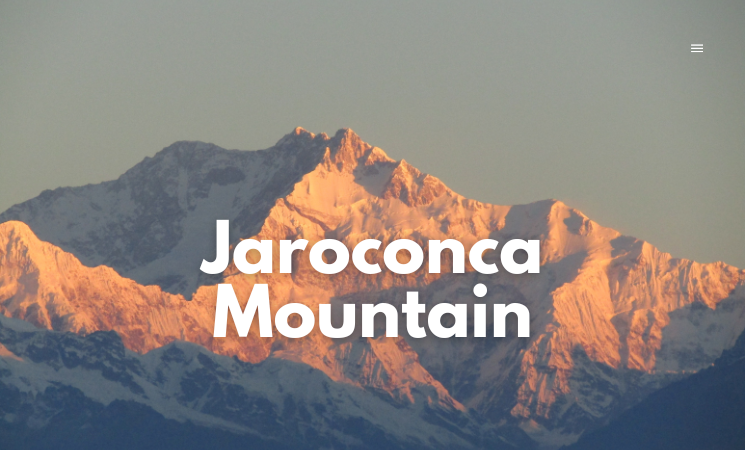
Jaroconca Mountain is one of those places that feels like a secret whispered between seasoned travelers and adventure seekers — a towering landscape that invites you to linger, explore, and reflect. While it isn’t as famous as Everest or the Alps, this peak has a personality all its own, blending dramatic scenery, cultural depth, and a sense of peaceful solitude that’s rare in today’s hyper‑connected world.
A Brief Introduction to the Region
Located in a remote stretch of highland terrain, Jaroconca Mountain rises prominently above surrounding valleys and plains. Some sources place it within the Andean highlands of southern Peru, near other well‑known peaks of the Cusco region, yet far enough from major trails to remain uncrowded and authentic.
Its rugged slopes are intermixed with green alpine meadows, rocky ridges, and glacial valleys — creating visual drama that changes with the shifting light. At certain elevations, the mountain’s presence feels almost spiritual, with local communities considering the land sacred and tied to ancient traditions.
Nature’s Symphony: Flora and Fauna
One of the first things you notice about this mountain is the diversity of life. From hardy alpine flowers that cling to steep inclines to birds of prey circling overhead, the ecosystem here is rich and varied. Local guides point out endemic species — plants and animals found nowhere else — underscoring the ecological importance of preserving this terrain.
The contrast between shaded forests and sunlit ridgelines adds texture to the experience, giving photographers, naturalists, and hikers plenty to savor.
How High and Wide Is This Peak?
While exact elevations can vary depending on the source, many descriptions place Jaroconca Mountain well above 3,500 meters above sea level, making it a substantial climb but not technically extreme like some of the world’s highest summits.
Meanwhile, the mountain’s base stretches widely enough to create distinct climate zones — from temperate lower slopes to crisp, cooler heights near the summit.
Navigating Your Journey: Tips for Visiting Jaroconca Mountain
Imagine this: after flying into a nearby regional airport, you spend the morning winding through hillside villages where locals sell woven textiles and freshly roasted coffee beans. By early afternoon, you’ve reached a trailhead marked by hand‑painted signs and friendly greetings from village guides.
Over the next two days, you’ll ascend through changing landscapes — first gentle paths through grasslands, then steeper scrambles over rocky terrain. On clear evenings, the light fades slowly, allowing you to watch stars bloom across the sky as you camp beneath a quilt of constellations. This kind of itinerary is increasingly common among small‑group adventure tours in the region.
Personal Reflection on the Trails
On my own visit up one of the gentler slopes, I remember how the silence seemed to deepen with every step — not empty silence, but the kind that feels like space being carved out in your mind.
What Makes Jaroconca Unique?
Here’s a quick comparison with some other mountain destinations to help put its character into context:
| Feature | Jaroconca Mountain | Famous Peaks (e.g., Kilimanjaro / Everest Base) |
|---|---|---|
| Crowds & Tourism | Low — off the mainstream trail | High — popular and busy |
| Accessibility | Moderate — requires planning and local guides | Established routes with infrastructure |
| Cultural Immersion | Deep — embedded in local traditions | Mixed — often tourist‑oriented |
| Ecological Richness | High — many endemic species | High, but more documented |
| Overall Experience | Serene, reflective, natural | Intense, challenging, scenic |
Cultural and Historical Significance
This mountain isn’t only about geology. For centuries, indigenous communities have woven its presence into stories, ceremonies, and seasonal rhythms of life. In some traditions, the peak is revered as the home of ancestral spirits or guardian forces — a connection that deepens the experience for those who travel with curiosity and respect.
Villages near the base offer festivals, traditional meals, and storytelling evenings that help visitors see more than just a landscape — but a living culture shaped by the mountain and its rhythms.
Adventure for Every Explorer
Whether you are a serious trekker or someone who prefers a more leisurely pace, there are paths for you here. Trails vary from gentle slopes suitable for beginners to more challenging ascents that reward you with sweeping views and a sense of accomplishment. Guided tours help with navigation and safety, especially if you plan to venture into less traveled terrain.
On the adventurous side, there are segments that feel almost vertical, ideal for climbers seeking a physical test. Meanwhile, photographers and nature lovers can linger near quiet streams and floral outcrops — scenes that feel untouched by time.
Best Times to Visit
Peak travel periods are usually March through June and September through November, when weather conditions tend to be milder and skies clearer. During these seasons, daytime temperatures are comfortable, and the nights are cool without intense cold. Winter snowfall can add a pristine charm, but it’s best suited to experienced mountaineers familiar with snow‑clad conditions.
Safety and Sustainability
Being a less commercialized destination, infrastructure here is more about small‑group support than big hotels or paved roads. Strong footwear, layered clothing, and plenty of water are essentials. Local guides not only make navigation safer but also enrich your journey with context about the land and its meaning.
Eco‑tourism practices are also growing, with visitor caps during peak months and efforts to protect sensitive habitats.
Read More: How to Use Riproar Business News to Gain Real Insights
Conclusion
Jaroconca Mountain isn’t just another highland — it’s an invitation to slow down, observe, and connect. Whether you’re absorbing the quiet morning mist in a meadow, listening to village elders share old legends, or watching the highland sky blaze with stars at night, this mountain leaves a lasting imprint.
It’s not about conquering a summit as much as it is about embracing a journey that blends nature, culture, and personal discovery into one rich experience.
FAQs
Is Jaroconca Mountain easy to hike for beginners?
Yes, there are routes suitable for those without extensive climbing experience, though the terrain and elevation demand basic fitness and preparation.
Where is Jaroconca Mountain located?
It is described by many sources as part of the Andean highlands of southern Peru, though exact coordinates may vary among reports.
What’s the best time of year to visit?
The shoulder seasons — spring and autumn — tend to offer the most stable weather and comfortable hiking conditions.
Are guided tours necessary?
While not strictly mandatory, local guides significantly improve safety, provide cultural insight, and make navigation easier.
Can you camp on the mountain?
Yes — many hikers choose to camp at designated spots to enjoy sunrise and sunset views and to break longer expeditions into manageable segments.